As the global climate shifts, solar energy adoption in regions like the Middle East, Africa, Southeast Asia, and Northern Australia faces a significant technical hurdle: thermal degradation. Traditional photovoltaic (PV) modules often experience a sharp decline in efficiency once ambient temperatures exceed 25°C. For industrial and commercial (C&I) sectors, this efficiency gap translates to millions in lost revenue over a project's lifecycle.
High-temperature solar panels are engineered with a lower temperature coefficient (Pmax), ensuring that power output remains stable even when cell temperatures reach 65°C or higher.
Modern systems require LiFePO4 batteries with advanced Thermal Management Systems (TMS) to prevent thermal runaway in hot climates.
Enterprises are increasingly seeking Tier 1 manufacturers that offer localized support and compliance with international safety standards like UL and IEC.
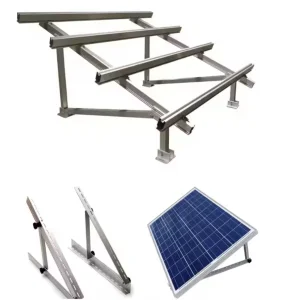
To combat heat-induced power loss, the industry is moving towards N-type TOPCon and HJT (Heterojunction) technologies. These solar cell architectures inherently perform better in high-heat environments. Coupled with bifacial designs and specialized cooling mounting brackets, these systems can provide up to 15% more energy yield than standard P-type PERC modules in desert conditions.
Jiangsu Vires Energy Co., Ltd. stands as a titan in the renewable energy sector, specializing in home and commercial solar power systems. With nearly two decades of deep-rooted experience, we have transitioned from a local manufacturer to a global leader in high-temperature solar integration.
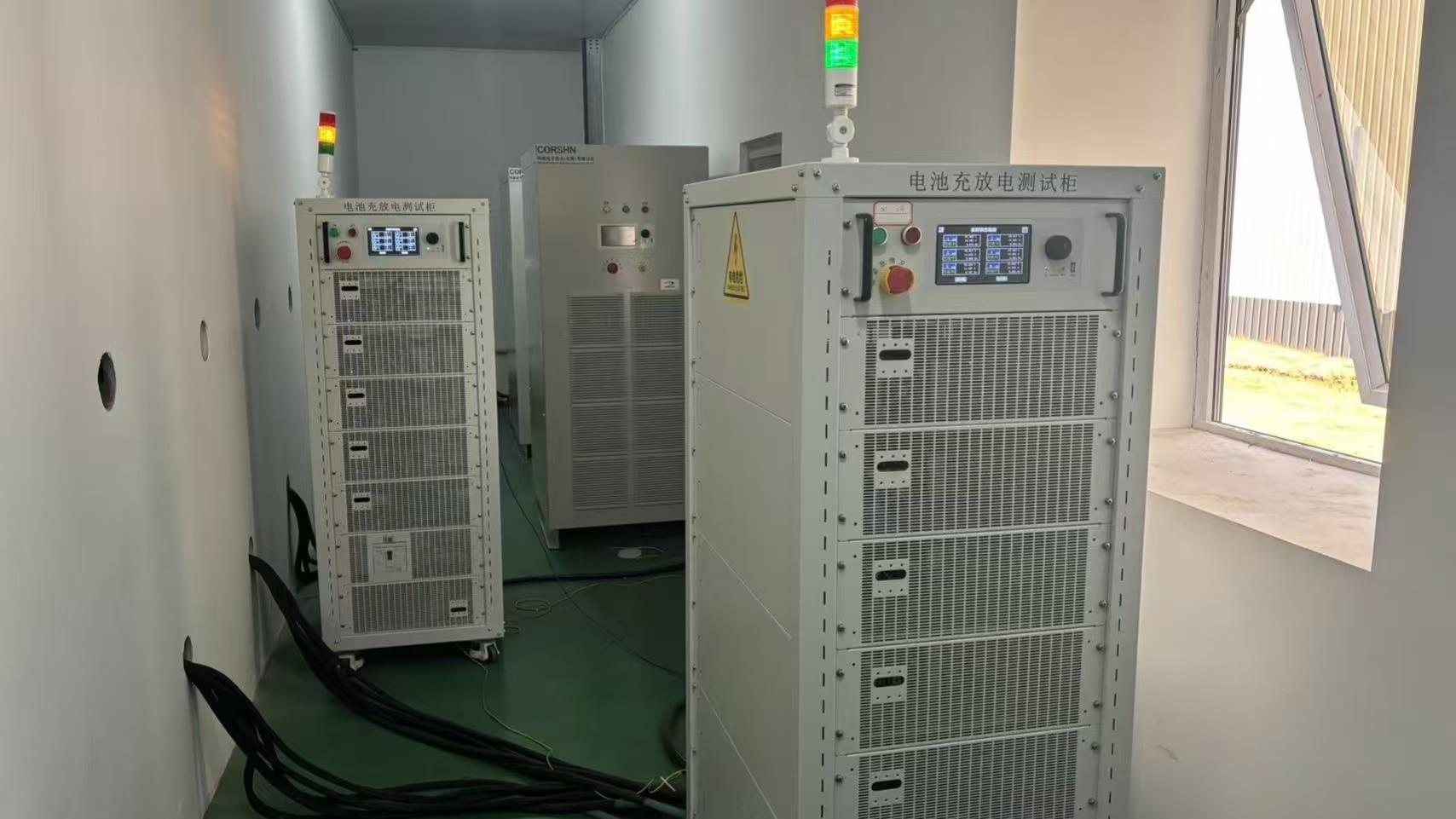
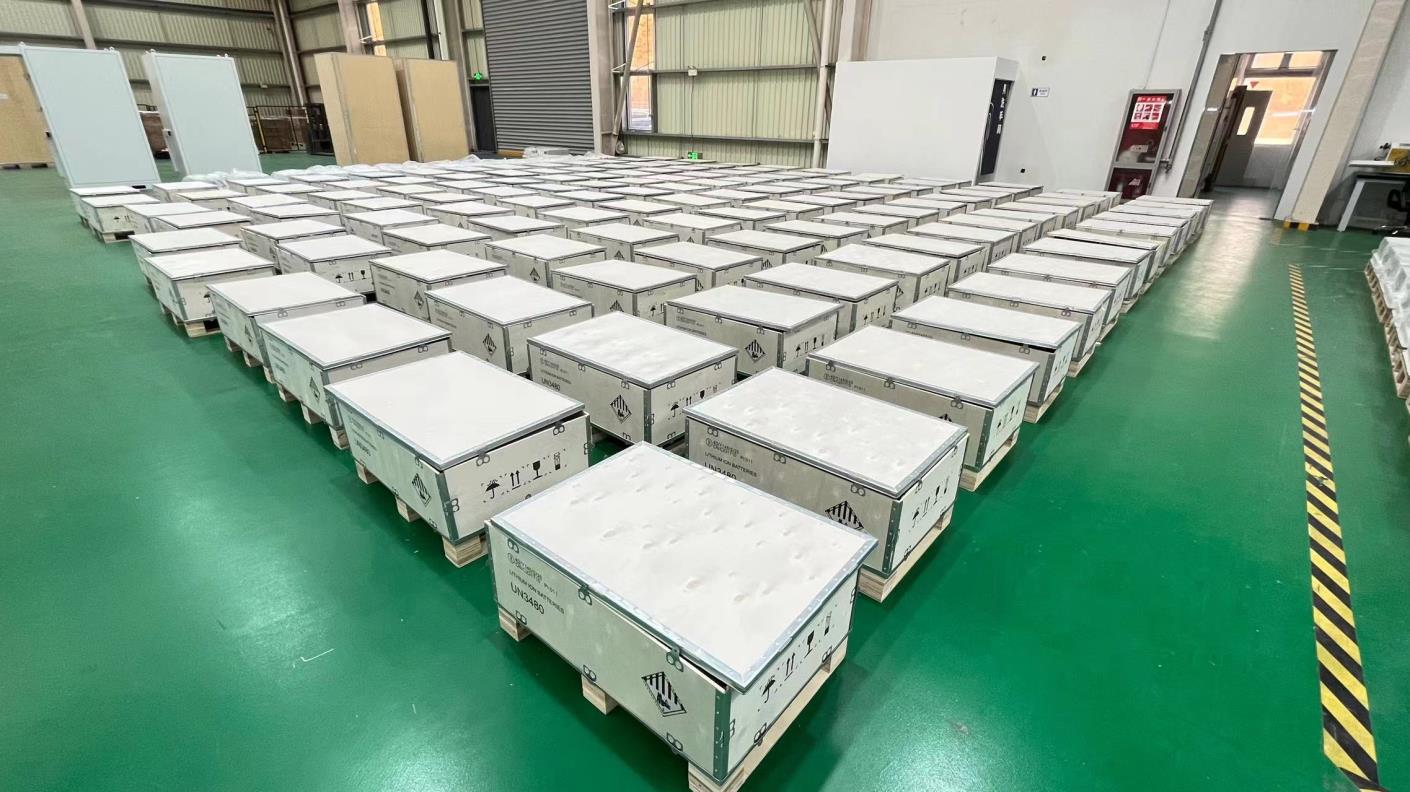
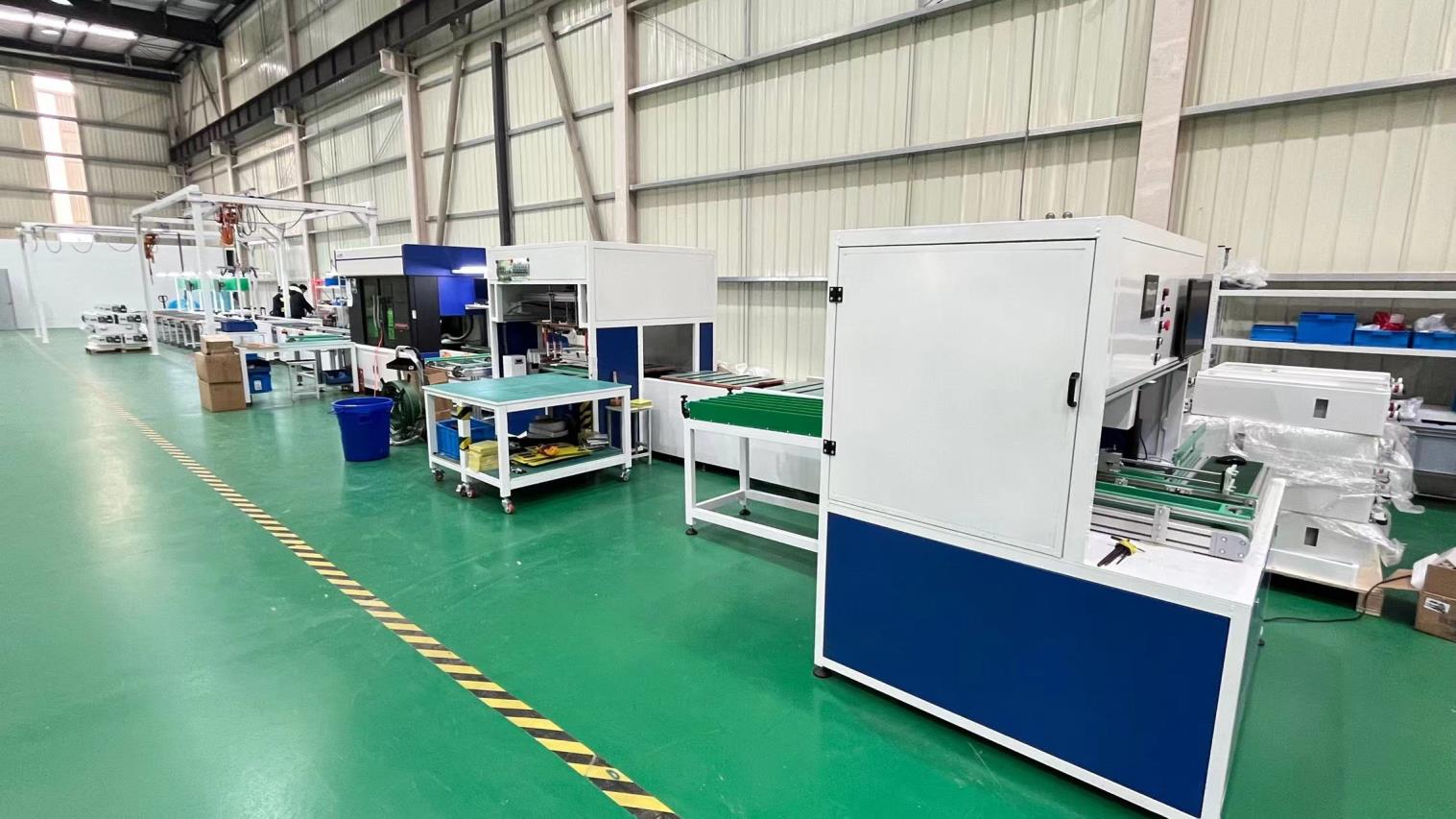
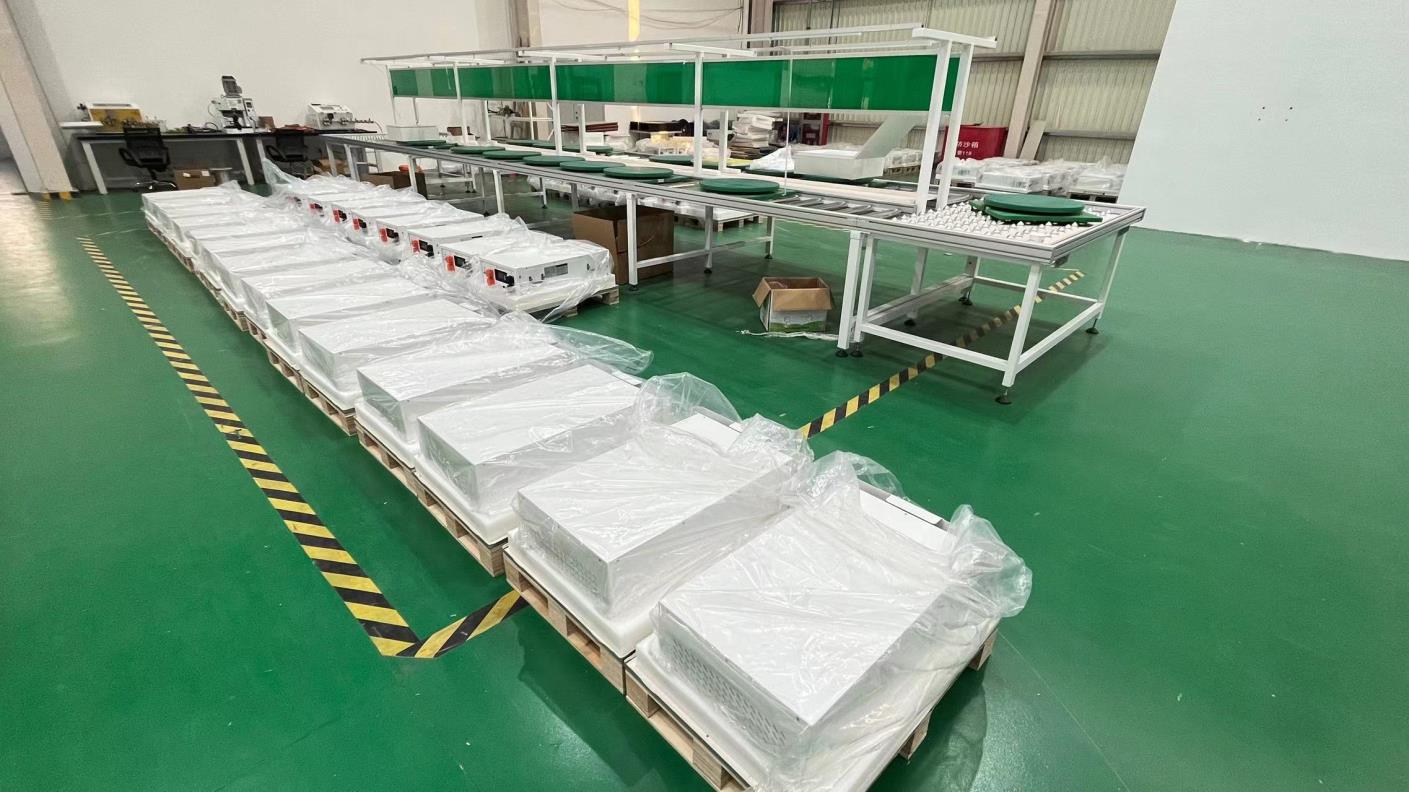
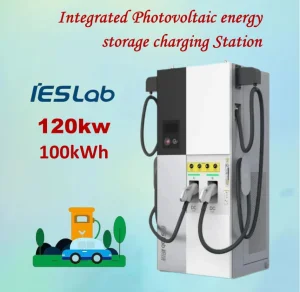
The transition to sustainable energy is moving toward "Smart Solar." At Jiangsu Vires Energy, we are pioneering the integration of AI-driven battery management and EV infrastructure.
Expect a massive shift toward Solid-State Batteries and Perovskite-Silicon Tandem Cells. These technologies will revolutionize high-temperature performance, pushing efficiency limits past 30%. Our current LiFePO4 (LFP) systems are already bridging this gap with superior cycle life and inherent fire safety compared to traditional NMC batteries.
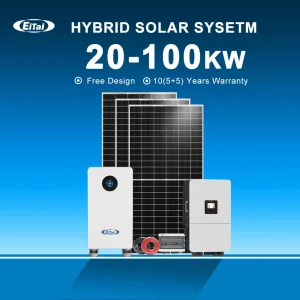
B2B buyers are no longer looking for just "panels." They are looking for Turnkey Ecosystems. This includes:
Deploying solar energy at scale involves navigating complex legal and safety landscapes. Jiangsu Vires Energy simplifies this for our global partners.
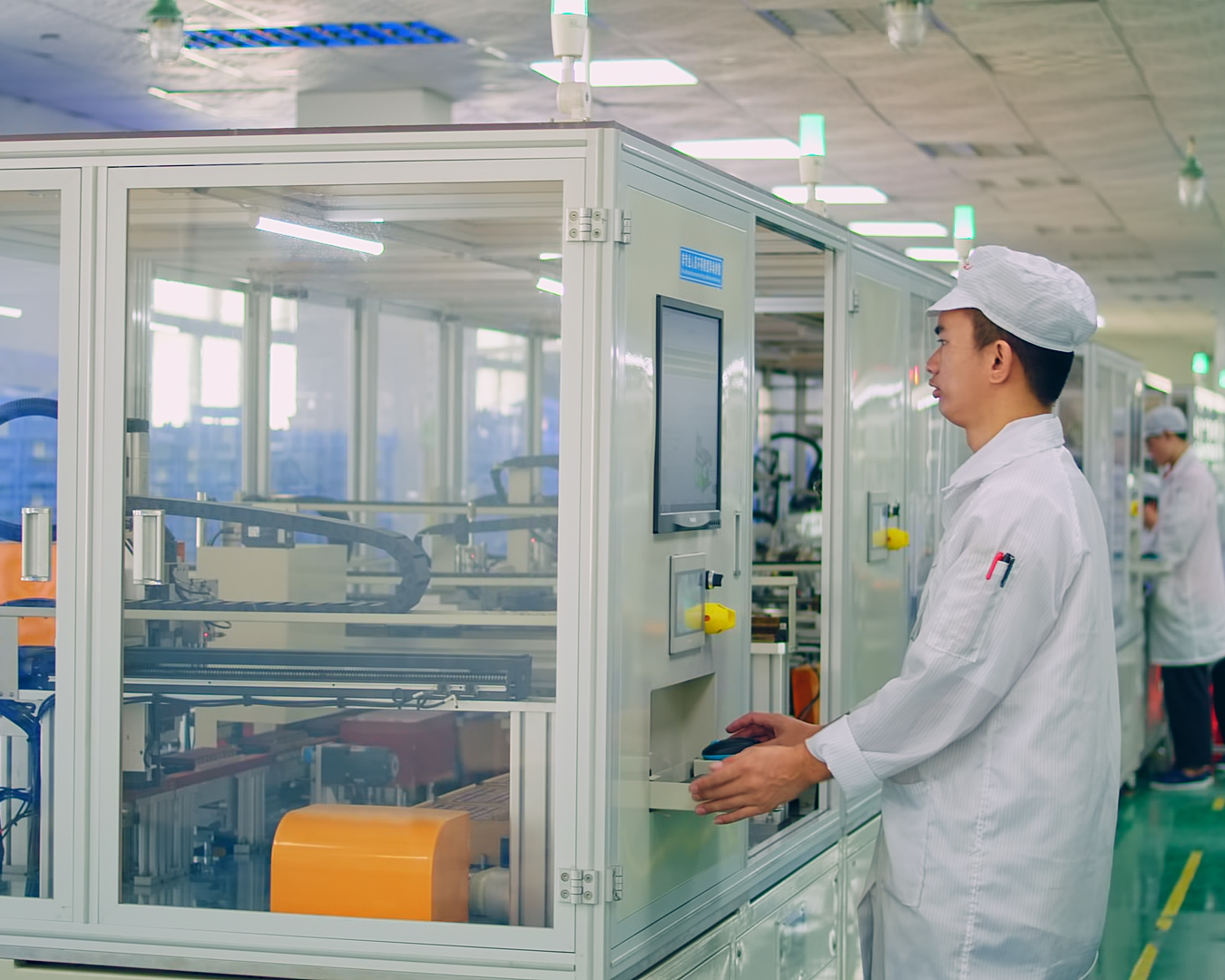
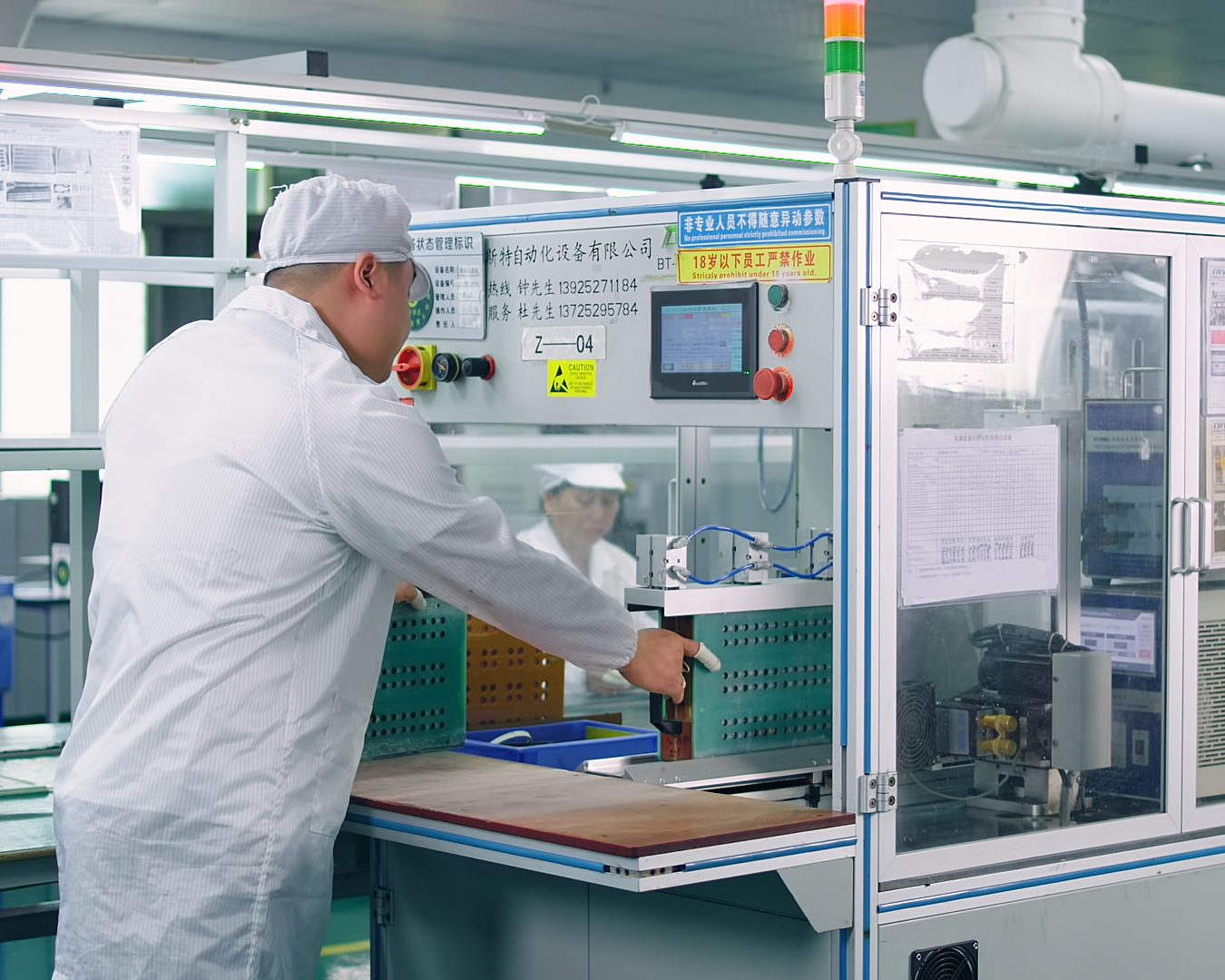
Our commitment to E-E-A-T (Experience, Expertise, Authoritativeness, and Trustworthiness) is evidenced by our adherence to international standards including UN38.3 for battery transport and IEC62619 for safety in industrial applications. We offer both ODM and OEM services, allowing our clients to leverage our manufacturing power while maintaining their unique brand identity.
Standard panels lose approximately 0.4% efficiency for every degree Celsius above 25°C. In hot climates, this can lead to a 20-30% loss in total power generation. High-temperature optimized panels use specific materials to lower this coefficient.
LFP batteries have a much higher thermal runaway threshold (approx. 270°C) compared to NMC batteries (approx. 150°C), making them significantly safer and longer-lasting in high-ambient temperature regions.
While we primarily manufacture, our branch offices in regions like Pakistan and South Africa provide installation guidance and have certified partners to ensure professional setup and maintenance.
Depending on local energy costs and solar irradiance, most commercial systems reach ROI within 3 to 5 years, especially when paired with our high-efficiency hybrid inverters.
 Vires Energy